
-
- : +91-9811199390
-
- : sales@yashtools.com

Keyway Broaches
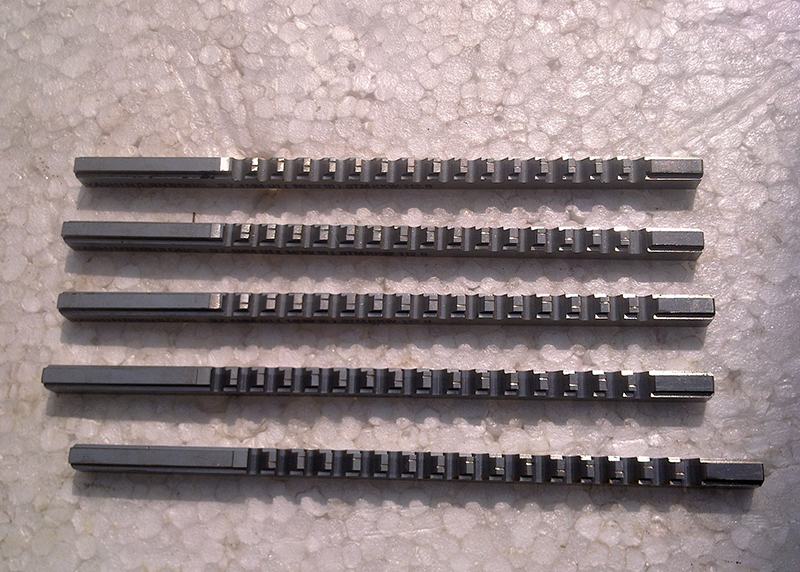
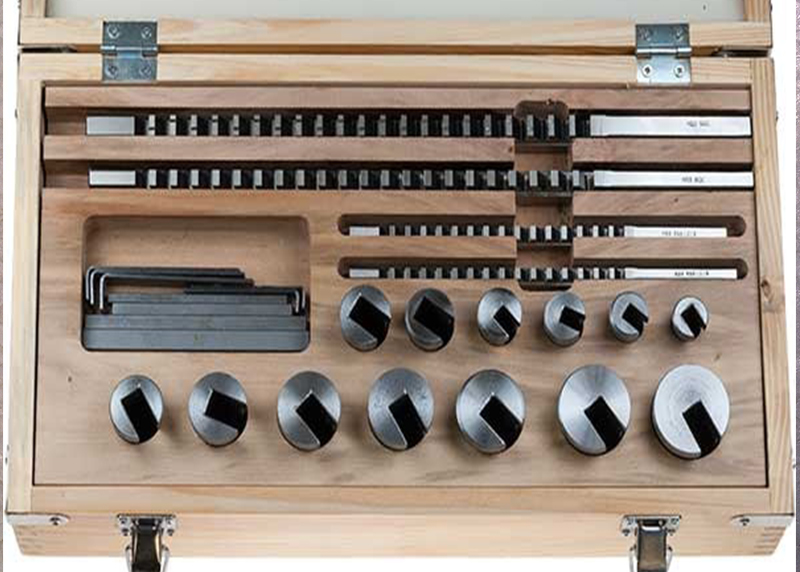
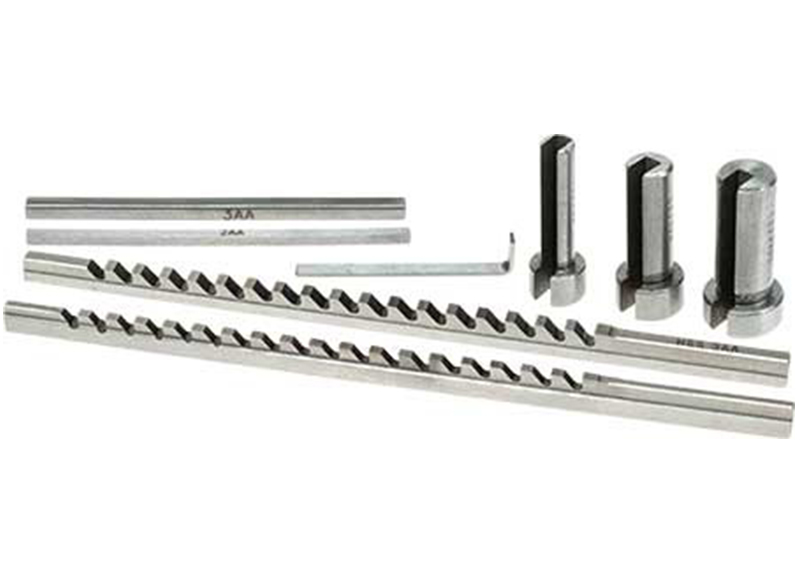

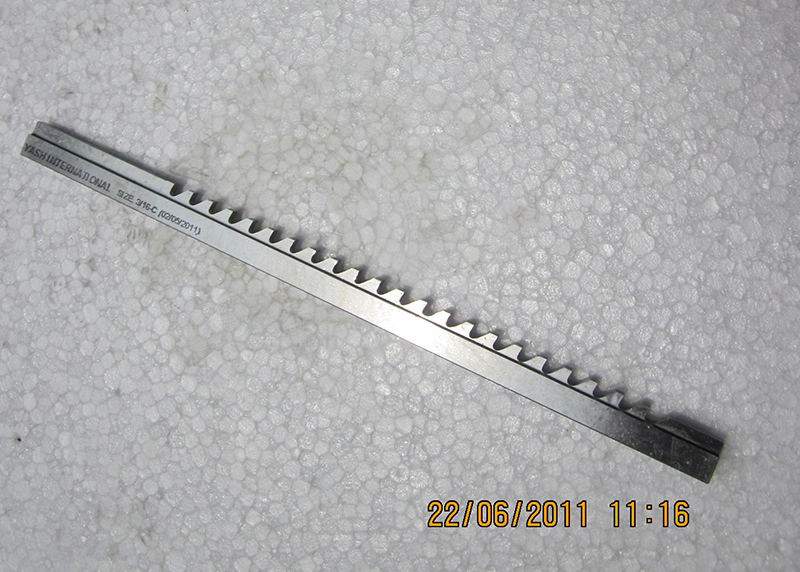
Keyway Broaches
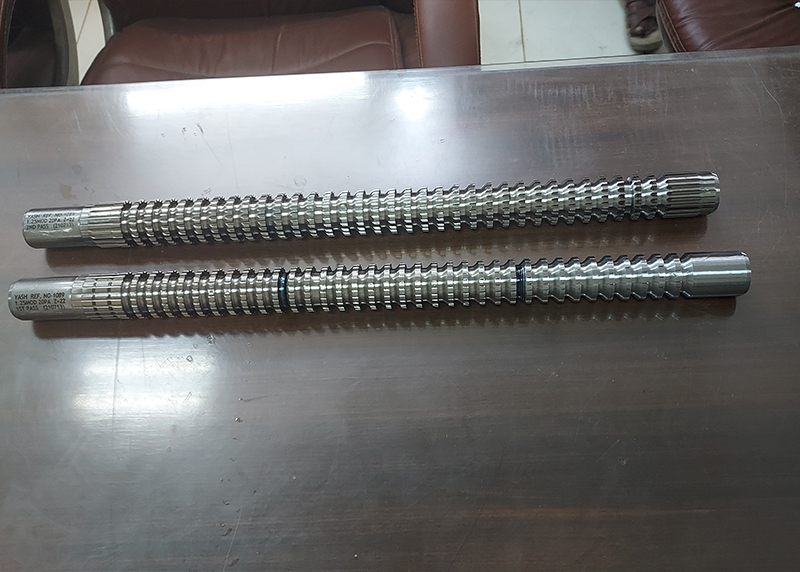
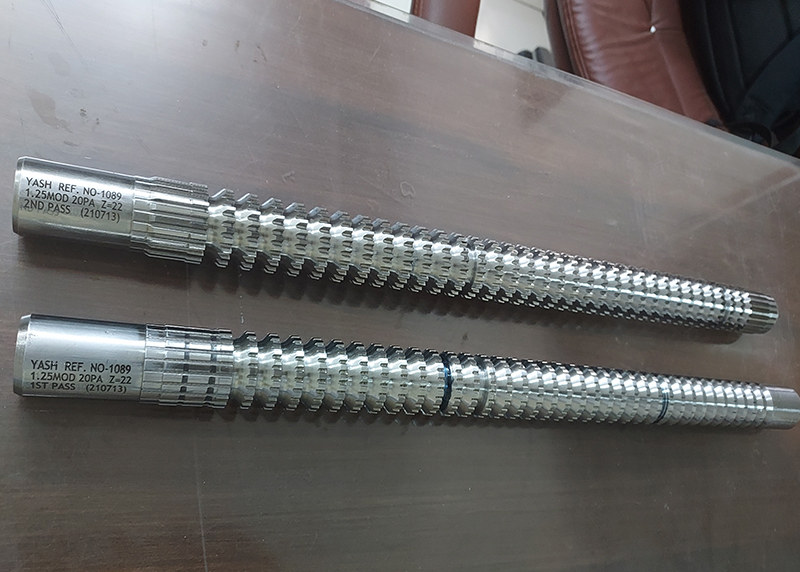
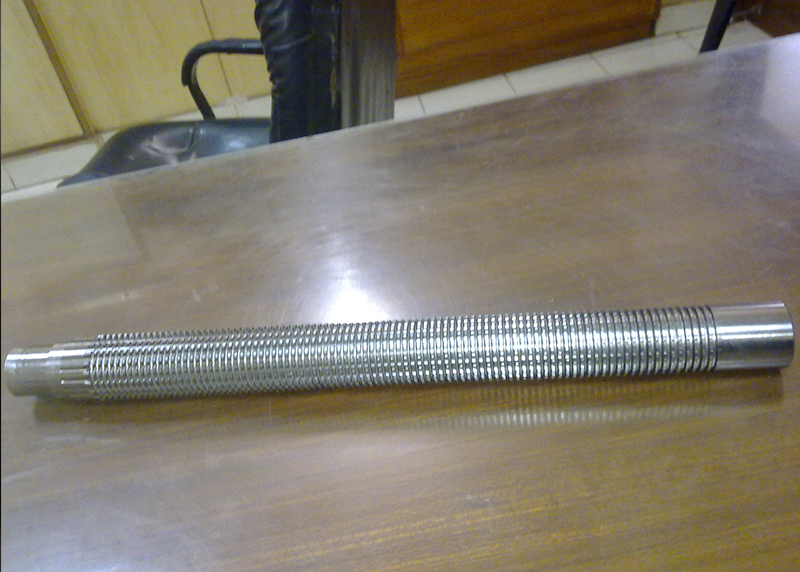
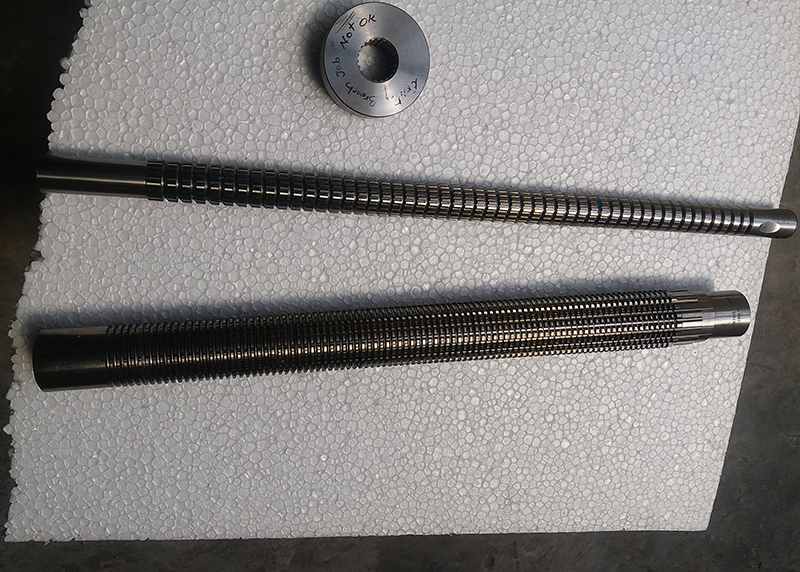
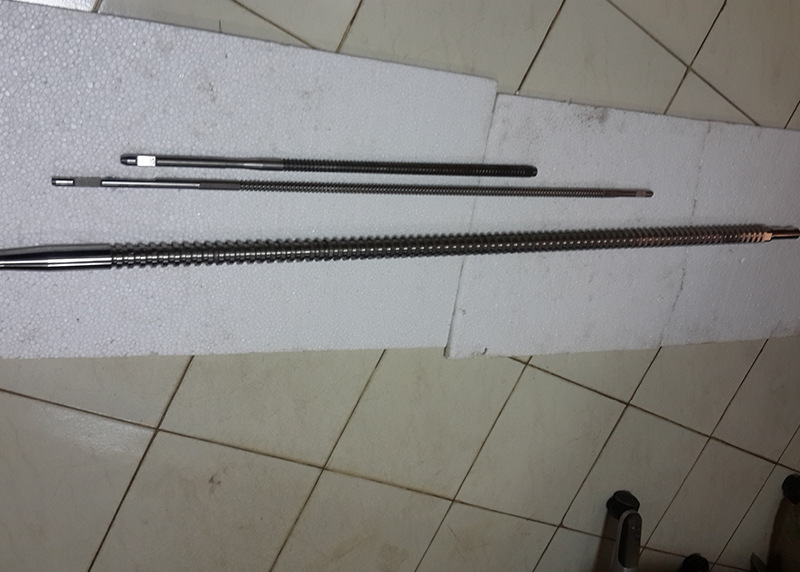
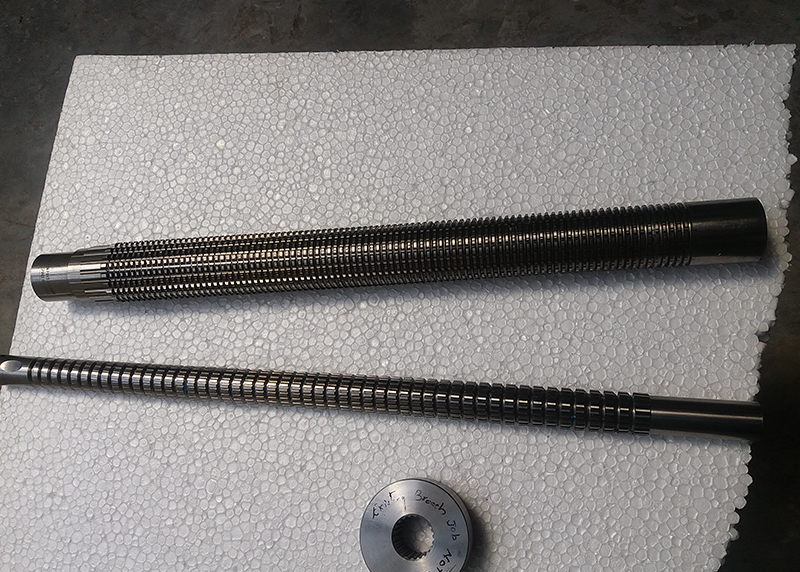
Keyway broaching is done worldwide to generate keyway profiles in any internal gear or any component. Very common and cheapest way of making long keyway cuttings. Keyway broach is one of the most common internal broaches. It to cut internal gear forms, an internal gear broach is used.Metric Keyway Broach (With or Without Chamfer) is used to produce a rectangular slot with or without chamfer of specific dimension in a prebore component.It can also be designed to provide specific chamfer at the corner of the base thus avoiding filing. We manufacture quality keyway broach (with or without chamfer). Keyway broach cuts keyways with ease in the bore of a gear or wheel. Keyway broach set is available in different dimensions to meet our customer’s needs.
We offer superior quality Keyway Broaches that are available in push as well as pull variants. Our Keyway Broach is ideally suited for making inside slot on inside taper or straight bore.
Specifications of Broaching Tools / Broaches –
Type:
- Push or Pull type
Profile Types to cut:
- Serration, Straights, Round, Square, Hexagon, Rectangle, Involute
SURFACE COATING: (OPTIONAL)
- Available in TiN, TiCN, ALTIN, ALCRONA Coatings
MATERIAL:
- HSS M2, HSS M35
Related Products
Quality - Complete Customer Satisfaction (CCS)
At Yash International, we believe in 3-sigma quality process
- 1 Maintaining World-class quality products & ensuring deliveries on-time
- 2 Providing most cost-effective pricing to our clients
- 3 Always ensuring complete customer satisfaction (CCS)
You will see technology at its best, be it in the components, the advanced production line or the well trained work force. We adhere to the exacting AGMA, DIN, BS, and JIS industry standards to maintain accuracies and preserve precise tolerances To maintain the best quality of the products we have adopted system of mandatory inspection and tests as well as periodic quality audits and system evaluations.
Certifications
We are a ISO 9001:2015 Certified company driven by Professional excellence, Technical competence and Total Quality Management system
MSME REGISTRATION (GOVT OF INDIA) CERTIFICATION\
REGISTERED MEMBER OF FEDERATION OF INDIAN EXPORTS ORGANIZATION (FIEO)
We, Commit ourselves for supplying products that would give complete satisfaction to customer. We will strive to achieve growth and leading position in the market by; supplying consistent quality products to our valued customers.
Get a Free Quote
Yash International
 A-291/1,Okhla Industrial Area
Phase-I New Delhi -110020 (India)
A-291/1,Okhla Industrial Area
Phase-I New Delhi -110020 (India) Tel-+91-11-26812754,
+91-9811199390 sales@yashtools.com,
yashinternational02@gmail.com